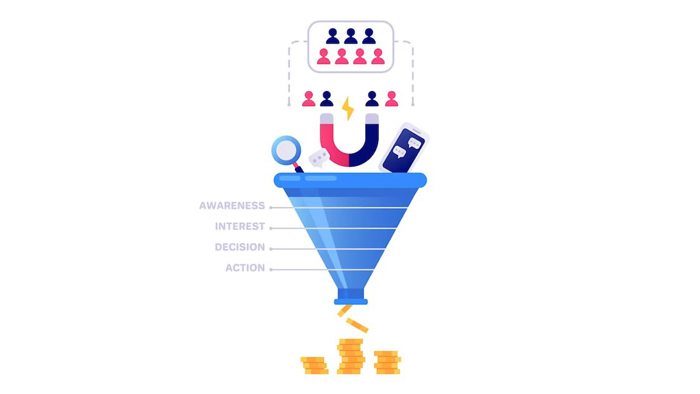
In the world of digital marketing, understanding the sales funnel is crucial for businesses aiming to maximize their revenue and conversions. A sales funnel represents the journey that potential customers undertake, from the initial awareness stage to the ultimate purchase decision. Along this journey, businesses employ various marketing tactics, and one powerful tool in their arsenal is Google search advertising.
Google search advertising, also known as search engine advertising or pay-per-click (PPC) advertising, is a form of online advertising that allows businesses to display targeted ads in search engine results pages. By strategically placing ads in front of potential customers who are actively searching for specific products or services, businesses can significantly increase their chances of attracting qualified leads and driving conversions.
Understanding the Sales Funnel
A. Awareness Stage
The awareness stage marks the beginning of the sales funnel. At this stage, potential customers become aware of a problem or a need they have. They may start searching for information, seeking solutions or alternatives. To capture attention at this crucial stage, businesses need to employ strategies that make their brand visible and accessible.
Search engine optimization (SEO) plays a pivotal role in generating awareness. By optimizing their website content and leveraging relevant keywords, businesses can improve their search engine rankings and increase their organic visibility. Appearing on the first page of search results enhances the chances of attracting potential customers and driving them into the sales funnel.
B. Consideration Stage
Once potential customers move beyond the awareness stage, they enter the consideration stage. At this point, they are actively evaluating different options and seeking more information to make an informed decision. Businesses can nurture leads in the consideration stage by providing valuable and informative content that addresses their pain points and showcases their expertise.
Google search advertising can be a valuable asset during the consideration stage. By creating targeted ads that offer valuable content, businesses can position themselves as trusted authorities in their industry. For example, a company selling fitness equipment can display ads promoting a comprehensive guide on creating a home workout routine. Such ads not only attract potential customers but also establish the brand’s credibility and expertise.
C. Decision Stage
The decision stage is the final stage
of the sales funnel, where potential customers are ready to make a purchase decision. At this stage, businesses must provide persuasive messaging that convinces potential customers to choose their products or services over competitors. This requires compelling offers, clear value propositions, and effective calls-to-action.
Google search advertising can be instrumental in driving conversions at the decision stage. By creating targeted ads that highlight unique selling points and time-limited offers, businesses can capture the attention of potential customers and motivate them to take action. For instance, a software company can display ads offering a limited-time discount on their premium subscription, urging potential customers to make a purchase before the offer expires.
Google Search Advertising in the Sales Funnel
A. Top of the Funnel (TOFU)
The top of the funnel represents the awareness stage, where businesses aim to attract a broad audience. Google search advertising can be employed effectively at this stage by targeting relevant keywords and demographics. By conducting keyword research and understanding their target audience, businesses can create ads that align with potential customers’ search intent.
For example, a travel agency specializing in adventure tours can create ads targeting keywords like “adventure vacations” or “hiking trips.” By displaying their ads to individuals actively searching for adventure travel options, the agency can generate awareness and capture the attention of potential customers who are at the early stages of their buying journey.
B. Middle of the Funnel (MOFU)
The middle of the funnel represents the consideration stage, where potential customers are actively evaluating different options. Google search advertising can be leveraged at this stage through techniques such as remarketing and audience targeting. Remarketing allows businesses to display ads to users who have previously interacted with their website, keeping their brand top of mind.
By creating specific audience segments based on user behavior and interests, businesses can deliver highly targeted ads that resonate with potential customers. For instance, an e-commerce store selling athletic apparel can use remarketing to display ads to users who have previously visited their website and viewed running shoes. These personalized ads can showcase discounts or highlight new product arrivals, increasing the chances of conversion.
C. Bottom of the Funnel (BOFU)
The bottom of the funnel represents the decision stage, where potential customers are close to making a purchase. Google search advertising can be incorporated at this stage using ad extensions and compelling call-to-actions. Ad extensions provide additional information or functionalities within the ad, enhancing its visibility and persuasiveness.
For instance, a restaurant can use ad extensions to display their menu, customer reviews, or a “Call Now” button that allows users to make reservations directly from the search ad. By offering convenient options and valuable information right within the ad, businesses can streamline the conversion process and increase the likelihood of potential customers choosing their establishment.
Benefits of Google Search Advertising in the Sales Funnel
Google search advertising offers numerous benefits for businesses looking to optimize their sales funnel and drive results. Some of the key advantages include:
- Enhancing brand visibility and awareness: By appearing prominently in search engine results, businesses can increase their brand’s visibility and reach a wider audience. This exposure contributes to building brand awareness and familiarity, making potential customers more likely to consider the business in their decision-making process.
- Reaching the right audience at the right time: Google search advertising allows businesses to target specific keywords, demographics, and user intent. This precision targeting ensures that ads are displayed to individuals who are actively searching for products or services related to what the business offers. As a result, businesses can reach potential customers at the right moment, maximizing the chances of engagement and conversions.
- Driving targeted traffic and leads: By optimizing ads and targeting strategies, businesses can attract highly relevant traffic to their website. This targeted traffic consists of individuals who have already expressed an interest in the products or services offered, increasing the
likelihood of converting them into leads and customers.
- Measuring and optimizing campaign performance: Google search advertising provides robust analytics and tracking tools, allowing businesses to measure the performance of their campaigns accurately. Through detailed metrics, such as click-through rates, conversion rates, and return on ad spend, businesses can gain valuable insights and make data-driven decisions to optimize their advertising strategies.
Conclusion
In today’s digital landscape, the sales funnel remains a fundamental concept for businesses seeking to drive conversions and revenue. Google search advertising serves as a powerful tool within this strategy, enabling businesses to reach potential customers at every stage of their buying journey. From generating awareness to nurturing leads and driving conversions, Google search advertising offers numerous benefits for businesses aiming to optimize their sales funnel and achieve their marketing objectives.
Frequently Asked Questions
- How much does Google search advertising cost?
Google search advertising costs vary depending on factors such as keywords, competition, and quality score. Advertisers can set their budgets and bidding strategies to control costs effectively. - How long does it take to see results from Google search advertising?
The time it takes to see results from Google search advertising can vary. Some businesses may see immediate results, while others may require time to optimize their campaigns and build momentum. It’s important to monitor and refine strategies to achieve the desired outcomes. - Are there any alternatives to Google search advertising?
Yes, there are alternative advertising platforms like Bing Ads and social media advertising on platforms such as Facebook, Instagram, and LinkedIn. These platforms offer different targeting options and audience reach. - Can Google search advertising work for small businesses?
Yes, Google search advertising can be highly effective for small businesses. With precise targeting and budget control, small businesses can reach their target audience and generate leads within their desired budget range. - What are the best practices for optimizing Google search advertising campaigns?
Some best practices for optimizing Google search advertising campaigns include conducting thorough keyword research, creating compelling ad copy, testing and refining strategies, and regularly analyzing campaign performance data to make data-driven adjustments.