Introduction
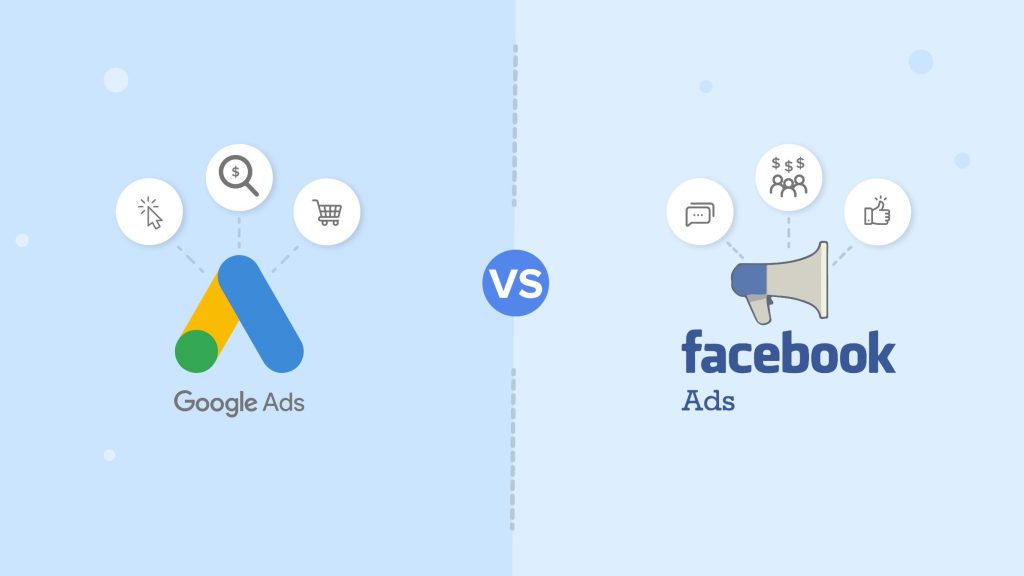
In today’s digital age, advertising has become a vital component for the success of self-employed businesses. It allows them to reach a wider audience, increase brand visibility, and ultimately drive more conversions. With numerous advertising platforms available, choosing the right one can be a daunting task. Two prominent options that self-employed businesses often consider are Google Ads and Facebook Ads. In this article, we will explore the advantages and disadvantages of each platform and help you determine which is best suited for your needs.
Understanding Google Ads
Google Ads is an online advertising platform provided by Google, offering businesses the opportunity to display ads on Google’s search results pages, websites, and partner networks. This platform operates on a pay-per-click (PPC) model, where advertisers bid on keywords relevant to their business to display their ads to a targeted audience.
One of the key advantages of Google Ads is its vast reach. With billions of searches conducted on Google every day, businesses can tap into a massive audience actively looking for products or services. Moreover, Google Ads provides various targeting options, including keywords, demographics, and location, enabling self-employed businesses to narrow down their audience and maximize their ad’s relevance.
Understanding Facebook Ads
Facebook Ads, on the other hand, is an advertising platform offered by Facebook, allowing businesses to promote their products or services to Facebook’s vast user base. Unlike Google Ads, Facebook Ads operate on a social media platform, offering advertisers the opportunity to target users based on their interests, behaviors, and demographics.
The strength of Facebook Ads lies in its detailed targeting capabilities. With the extensive user data Facebook collects, self-employed businesses can create highly specific audience segments, ensuring their ads are seen by individuals who are more likely to be interested in their offerings. This precision targeting can result in higher conversion rates and a better return on investment (ROI).
Comparing Reach and Audience
Both Google Ads and Facebook Ads offer immense potential reach, but they cater to different audiences and serve different purposes. Google Ads primarily focuses on intent-based advertising, where users actively search for specific products or services. This makes it particularly advantageous for businesses offering niche products or services that cater to specific needs.
Facebook Ads, on the other hand, excels in creating awareness and generating interest. It allows self-employed businesses to tap into a massive social media audience and display ads to users who may not have been actively searching for their offerings. This broader reach can be beneficial for businesses looking to build their brand and reach a wider audience.
Cost and Budget Considerations
Cost is an important consideration for self-employed businesses when choosing between Google Ads and Facebook Ads. Both platforms operate on an auction-based system, where advertisers bid for ad placements. However, the cost structure and bidding mechanisms differ.
On Google Ads, the cost is primarily determined by the competition for keywords and the quality score of your ads. Advertisers set a maximum bid for their keywords, and Google’s algorithm considers this bid along with the ad’s quality to determine ad rank and cost-per-click (CPC).
Facebook Ads, on the other hand, allows advertisers to set a budget and bid for ad placements based on their desired outcome, such as clicks or impressions. The cost is influenced by factors such as audience size, targeting options, and the quality and relevance of the ad.
When setting a budget for advertising, self-employed businesses should consider their goals, industry competition, and the potential return on investment. It’s crucial to allocate a reasonable budget that allows for testing and optimization while ensuring it aligns with the business’s overall marketing strategy.
Ad Formats and Creatives
Both Google Ads and Facebook Ads offer various ad formats to cater to different business objectives and creative requirements.
Google Ads provides text ads, image ads, responsive ads, and video ads. Text ads appear on Google’s search results pages and partner websites, while image, responsive, and video ads can be displayed on websites within the Google Display Network. Each format has its advantages, with text ads being highly targeted and cost-effective, while visual formats allow for more creative storytelling.
Facebook Ads, on the other hand, offers a wide range of ad formats, including image ads, video ads, carousel ads, and collection ads. These formats are designed to engage users within the Facebook platform and can be highly interactive. For self-employed businesses looking to showcase their products or services visually, Facebook Ads provide ample creative opportunities.
Targeting and Customization
Both Google Ads and Facebook Ads offer powerful targeting options to ensure ads are shown to the right audience. However, the methods and capabilities differ between the two platforms.
Google Ads primarily relies on keyword targeting and contextual targeting. Advertisers can choose specific keywords relevant to their business and bid on them to trigger their ads when users search for those keywords. Additionally, Google Ads provides demographic targeting, allowing businesses to refine their audience based on age, gender, location, and other factors.
Facebook Ads, on the other hand, offers a more intricate set of targeting options. Advertisers can target users based on their interests, behaviors, demographics, and even connections. This allows self-employed businesses to create highly specific audience segments and tailor their ads accordingly.
Tracking and Analytics
Tracking and analyzing the performance of ad campaigns is crucial to optimizing results and measuring return on investment. Both Google Ads and Facebook Ads provide tracking and analytics tools to help self-employed businesses monitor their ad performance.
Google Ads offers robust tracking capabilities through Google Analytics and conversion tracking. Businesses can track various metrics, such as clicks, impressions, conversions, and revenue. This data allows for in-depth analysis and optimization of ad campaigns to drive better results.
Facebook Ads provide its own set of tracking tools, including the Facebook Pixel. This tool enables businesses to track conversions, optimize ad delivery, and create custom audiences based on user interactions with their website or Facebook page.
Conversion and ROI
Ultimately, self-employed businesses are interested in driving conversions and achieving a positive return on investment from their advertising efforts. Both Google Ads and Facebook Ads provide mechanisms to track conversions, but they differ in terms of attribution and measurement.
Google Ads allows businesses to track conversions based on actions users take on their websites, such as making a purchase or submitting a contact form. The platform provides various attribution models to understand which ads and keywords contribute to conversions, enabling businesses to optimize their campaigns accordingly.
Facebook Ads, on the other hand, offers a more holistic approach to conversion tracking. It allows businesses to track conversions across multiple devices and channels, providing insights into how ads influence the customer journey. This data can be valuable for self-employed businesses looking to understand the impact of their ads beyond immediate conversions.
Choosing the Right Platform
When deciding between Google Ads and Facebook Ads, self-employed businesses should consider several factors:
- Business goals: Determine whether you are focused on generating immediate conversions or building brand awareness.
- Target audience: Consider the demographics and behaviors of your target audience and assess which platform aligns better.
- Ad format and creative requirements: Evaluate the types of ads and creatives that best represent your offerings.
- Budget and cost considerations: Understand the cost structure and bidding mechanisms of each platform and allocate a suitable budget.
- Tracking and analytics: Assess the tracking and measurement capabilities to ensure you can monitor and optimize your campaigns effectively.
By considering these factors and tailoring the choice to the specific needs of your self-employed business, you can make an informed decision on which platform to use.
Success Stories and Case Studies
Real-life examples can offer insights into the effectiveness of Google Ads and Facebook Ads for self-employed businesses. Here are a couple of success stories:
- Success Story 1:Company X, a self-employed business offering handmade jewelry, used Google Ads to target users searching for specific jewelry types and keywords. By optimizing their ads and leveraging Google’s targeting options, they achieved a 50% increase in website traffic and a 30% boost in sales within three months.
- Success Story 2:Company Y, a self-employed business providing personalized coaching services, utilized Facebook Ads to target users interested in personal development and specific coaching topics. Through compelling ad creatives and precise targeting, they saw a significant increase in leads and were able to expand their client base by 40% in six months.
These success stories demonstrate how both platforms can be effective for self-employed businesses when utilized strategically and aligned with business goals.
Tips for Running Successful Ad Campaigns
To optimize your Google Ads and Facebook Ads campaigns, consider the following best practices:
- Conduct keyword research: Identify relevant keywords for your business and incorporate them into your Google Ads campaigns to maximize visibility.
- Test ad variations: Experiment with different ad creatives, headlines, and calls-to-action to determine which combinations drive the best results.
- Monitor and optimize: Regularly review campaign performance and make data-driven adjustments to improve targeting, ad placements, and bids.
- Utilize ad extensions: Take advantage of ad extensions offered by both platforms to provide additional information or call-to-action buttons, increasing the visibility and effectiveness of your ads.
- A/B test your audiences: Test different audience segments on Facebook Ads to identify the most responsive groups and allocate your budget accordingly.
By implementing these tips and continuously refining your strategies, you can maximize the effectiveness of your Google Ads and Facebook Ads campaigns.
Conclusion
Choosing between Google Ads and Facebook Ads for your self-employed business requires careful consideration of various factors. While Google Ads offers immense reach and intent-based advertising, Facebook Ads provide precise targeting capabilities and a broader social media audience. By assessing your business goals, target audience, budget, and creative requirements, you can make an informed decision and leverage the strengths of the chosen platform. Remember to track and analyze the performance of your campaigns, optimize your ads, and refine your strategies to achieve the best results for your self-employed business.
FAQs
FAQ 1: Can I use both Google Ads and Facebook Ads simultaneously?
Yes, it is possible to use both Google Ads and Facebook Ads simultaneously. In fact, leveraging both platforms can help you reach a wider audience and diversify your advertising efforts. However, it’s important to carefully manage your budget and monitor the performance of each platform to ensure optimal results.
FAQ 2: How much should I allocate for advertising budget as a self-employed business?
The advertising budget for self-employed businesses varies depending on various factors, such as industry, competition, and business goals. It’s recommended to start with a modest budget and gradually increase it as you gather data and optimize your campaigns. Consider your overall marketing strategy and allocate a reasonable portion of your budget to advertising, ensuring it aligns with your business objectives.
FAQ 3: Do I need to have a website to run Google Ads or Facebook Ads?
While having a website can enhance the effectiveness of your ad campaigns, it is not a strict requirement for running Google Ads or Facebook Ads. You can drive traffic to a Facebook page or utilize other online platforms to showcase your products or services. However, having a dedicated website provides more flexibility and control over the user experience and conversion tracking.
FAQ 4: Which platform is more suitable for promoting products vs. services?
Both Google Ads and Facebook Ads can be effective for promoting products and services, but the suitability may vary depending on your specific offerings and target audience. Google Ads’ intent-based advertising is often favorable for product promotion, especially when users actively search for specific items. Facebook Ads, on the other hand, can be advantageous for service promotion, allowing you to target users based on their interests and behaviors.
FAQ 5: How long does it take to see results from Google Ads or Facebook Ads?
The time it takes to see results from Google Ads or Facebook Ads can vary based on multiple factors, such as your industry, competition, ad optimization, and budget. Generally, it’s recommended to allow for a few weeks of testing and optimization before expecting significant results. Patience and ongoing monitoring are key to achieving optimal outcomes from your ad campaigns.