In today’s digital age, self-employed individuals face numerous challenges when it comes to promoting their businesses online. Among the plethora of online marketing strategies, Google Ads has emerged as a powerful tool for businesses to reach their target audience effectively. However, in order to make the most out of Google Ads, self-employed entrepreneurs must leverage the power of location targeting. By utilizing location targeting, you can ensure that your ads reach the right people at the right time, maximizing your chances of success.
Understanding Location Targeting
Defining Location Targeting
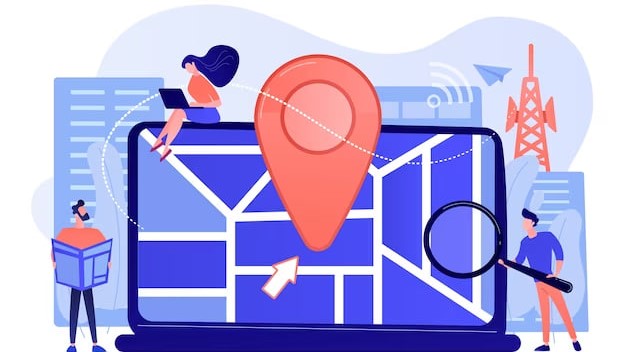
Location targeting refers to the process of specifying the geographic areas where you want your Google Ads to be displayed. With location targeting, you have the ability to narrow down your ad reach to specific regions, cities, or even neighborhoods. This precision allows you to focus your marketing efforts on the areas that are most likely to bring in customers.
Benefits of Location Targeting
Location targeting offers several key benefits for self-employed businesses. Firstly, it allows you to optimize your budget by displaying ads only to individuals who are geographically relevant to your business. By excluding irrelevant locations, you can avoid wasting resources on clicks and impressions that are unlikely to convert into customers. Secondly, location targeting enables you to tailor your ad messaging and offers to suit the preferences and needs of your target audience. This level of personalization enhances the relevance of your ads, leading to higher engagement and conversion rates.
Maximizing Reach with Local Targeting
Relevance of Local Targeting
For self-employed businesses that primarily cater to a local audience, local targeting can be a game-changer. By focusing on specific towns, cities, or neighborhoods, you can ensure that your ads are seen by individuals who are most likely to visit your physical store or utilize your services. Local targeting allows you to establish a strong presence within your community and build brand recognition among local customers.
Local Keywords Research
To maximize the effectiveness of local targeting, it’s crucial to conduct thorough keyword research. Identify keywords that are frequently used by individuals searching for businesses like yours in your local area. These keywords should be incorporated strategically into your ad copy and landing pages to increase your chances of appearing in relevant search results.
Tailoring Ads for Local Audience
When creating ads for local targeting, it’s important to craft messaging that resonates with your local audience. Use language and references that are familiar to the community you are targeting. Incorporate local landmarks or events into your ads to establish a sense of connection and familiarity. By doing so, you can build trust and encourage local customers to choose your business over competitors.
Enhancing Relevance with Regional Targeting
Benefits of Regional Targeting
For self-employed businesses with a broader target audience spread across multiple cities or regions, regional targeting can be highly effective. By focusing on larger geographic areas, you can increase your reach while still maintaining relevance. Regional targeting allows you to tap into potential customers who may be willing to travel for the products or services you offer.
Regional Keywords Research
Similar to local targeting, conducting comprehensive keyword research is crucial for regional targeting. Identify keywords that are popular among individuals searching for businesses within your targeted region. Incorporate these keywords strategically into your ad campaigns to increase your visibility and attract relevant traffic.
Customizing Ads for Regional Audience
When targeting a larger region, it’s important to acknowledge the unique characteristics and preferences of the audience in each area. Customize your ad messaging to reflect the cultural nuances and specific needs of each region. By doing so, you can create a more personalized experience for your potential customers, ultimately increasing the chances of conversion.
Broadening Horizons with National Targeting
Advantages of National Targeting
For self-employed businesses with a national reach, national targeting is essential. National targeting allows you to reach potential customers across the entire country, enabling you to maximize your business’s exposure and generate substantial brand awareness. By utilizing national targeting, you can tap into a much larger customer base and potentially expand your business beyond local or regional boundaries.
National Keywords Research
When targeting a national audience, keyword research becomes even more critical. Identify popular keywords that are relevant to your business on a national scale. By incorporating these keywords into your ad campaigns and website content, you can improve your visibility in national search results and attract a wider audience.
Adapting Ads for National Audience
To effectively engage a national audience, it’s important to create ads that resonate with individuals from different regions and backgrounds. Focus on crafting messaging that emphasizes the unique value proposition of your business and appeals to the broader aspirations and desires of your target audience. By doing so, you can create a cohesive national brand identity that resonates with customers from all corners of the country.
Reaching Global Audiences with International Targeting
Significance of International Targeting
In an increasingly interconnected world, self-employed businesses have the opportunity to expand their reach beyond national boundaries and tap into global markets. International targeting allows you to reach potential customers in different countries, opening up new avenues for growth and revenue generation. However, it’s important to approach international targeting with careful planning and consideration.
International Keywords Research
When targeting international audiences, keyword research takes on a new level of complexity. Identify keywords that are relevant to your business within each target country, considering language variations and cultural nuances. Collaborating with local experts or conducting market research can provide valuable insights into the specific keywords and search terms used by your target audience in each country.
Localization of Ads for Global Audience
To effectively connect with international audiences, localization is key. Translate your ad copy and website content into the local language of each target country, ensuring accuracy and cultural sensitivity. Additionally, adapt your messaging and imagery to align with the cultural norms and preferences of the target audience. By doing so, you can establish a strong connection with potential customers and increase the chances of conversion in international markets.
Overcoming Challenges in Location Targeting
Seasonal Variation
One challenge that self-employed businesses may face in location targeting is the seasonal variation in consumer behavior. Different regions may experience peak seasons or periods of high demand at different times throughout the year. To address this challenge, it’s important to monitor and adjust your location targeting strategies accordingly. By analyzing historical data and consumer trends, you can identify the optimal timing for targeting specific regions and allocate your resources effectively.
Language and Cultural Differences
When targeting audiences in different regions or countries, language and cultural differences can present challenges. It’s important to ensure that your ad copy and website content are accurately translated and culturally appropriate. Working with native speakers or professional translators can help you overcome these challenges and effectively communicate your message to diverse audiences.
Competitor Analysis
Another challenge in location targeting is competition. Different regions may have varying levels of competition within your industry or niche. It’s crucial to conduct competitor analysis to understand the landscape and identify areas where you can differentiate your business. By offering unique value propositions and tailored messaging, you can stand out from the competition and attract the attention of your target audience.
Measuring and Analyzing Location Targeting Success
Tracking Performance
To evaluate the success of your location targeting efforts, it’s important to track and analyze relevant metrics. Use tools like Google Analytics to monitor the performance of your ads in different locations. Track metrics such as click-through rates, conversion rates, and return on investment (ROI) for each targeted location. This data will provide valuable insights into the effectiveness of your location targeting strategies and help you make informed decisions for future campaigns.
Key Metrics to Consider
When measuring the success of your location targeting, consider the following key metrics:
- Impressions: The number of times your ad is displayed to users in a specific location.
- Click-through Rate (CTR): The percentage of users who click on your ad after seeing it.
- Conversion Rate: The percentage of users who complete a desired action, such as making a purchase or submitting a form, after clicking on your ad.
- Return on Investment (ROI): The revenue generated from your ads compared to the cost of running the campaigns.
- Cost per Conversion: The average cost of acquiring a customer through your ad campaigns.
By regularly monitoring these metrics, you can assess the performance of your location targeting efforts and make data-driven optimizations to improve results.
Conclusion
Location targeting is a powerful tool that self-employed businesses can utilize to maximize the effectiveness of their Google Ads campaigns. By focusing on specific geographic areas, businesses can optimize their budget, increase relevance, and reach their target audience with precision. Whether you’re targeting a local community, a regional market, a national audience, or even global markets, location targeting enables you to tailor your messaging and optimize your ad campaigns for the best results. By overcoming challenges, measuring performance, and continuously refining your strategies, you can unlock the full potential of location targeting and propel your self-employed business to new heights of success.
FAQs
1. How do I set up location targeting for my Google Ads? To set up location targeting for your Google Ads, log in to your Google Ads account and navigate to the campaign settings. Under the “Locations” tab, you can choose the specific geographic areas where you want your ads to be displayed. You can target locations at different levels of granularity, including countries, regions, cities, or even specific postal codes.
2. Can I change my location targeting settings after launching a campaign? Yes, you can modify your location targeting settings even after launching a campaign. Simply navigate to the campaign settings and make the necessary changes to your location targeting preferences. However, keep in mind that significant changes to your targeting settings may impact the performance and delivery of your ads, so it’s important to monitor the results and adjust accordingly.
3. How can I optimize my location targeting to improve ad performance? To optimize your location targeting, regularly analyze the performance of your ads in different locations. Identify areas where your ads are performing well and allocate more resources to those regions. Conversely, if certain locations are not delivering the desired results, consider refining your targeting or adjusting your ad messaging to better resonate with the local audience.
4. Is location targeting only relevant for businesses with physical stores? No, location targeting is relevant for businesses of all types, including those without physical stores. Even if your business operates solely online, location targeting can still be beneficial. By targeting specific regions or countries, you can tailor your messaging and offers to resonate with different cultures and preferences, increasing the relevance and effectiveness of your ads.
5. Can I target multiple locations within a single campaign? Yes, you can target multiple locations within a single campaign. Google Ads allows you to set up multiple location targets and specify different bid adjustments for each location. This flexibility enables you to reach a wider audience while still maintaining control over your budget and targeting preferences.