Introduction:
In today’s digital age, having a strong online presence is essential for the success of self-employed businesses. With millions of people using the internet to find products and services, it’s crucial to leverage effective marketing strategies to stand out from the competition. Two powerful tools that can significantly contribute to self-employed business success are Google Ads and content marketing. In this article, we will explore how self-employed individuals can utilize Google Ads and content marketing to boost their online visibility, attract relevant traffic, and drive conversions.
Understanding Google Ads:
Google Ads is an online advertising platform that allows businesses to display their ads on Google search results pages, websites, YouTube, and other Google platforms. With Google Ads, self-employed professionals can target specific keywords and demographics to reach their desired audience. There are different types of Google Ads campaigns, including search ads, display ads, video ads, shopping ads, and app ads. To get started with Google Ads, you need to create an account, set up your campaign, and allocate a budget.
Creating an Effective Google Ads Campaign:
To ensure the success of your Google Ads campaign, it’s crucial to follow a strategic approach. Start by conducting thorough keyword research to identify relevant search terms that your target audience is using. These keywords will form the foundation of your campaign. Next, set clear campaign goals and allocate a suitable budget to achieve those goals. Design compelling ad copy that captures the attention of your audience and includes relevant keywords. Additionally, optimize your landing pages to provide a seamless user experience and improve conversion rates.
Maximizing Results with Content Marketing:
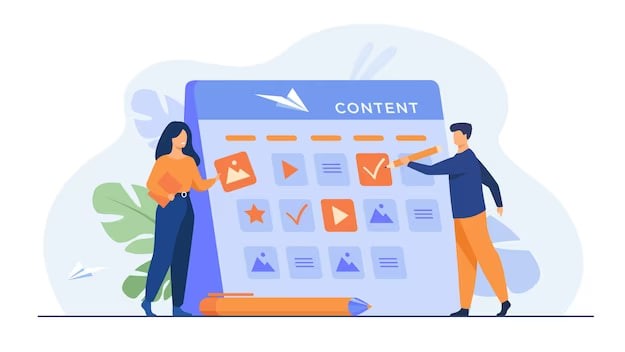
Content marketing plays a vital role in establishing thought leadership, building trust with customers, and attracting organic traffic to your website. It involves creating and sharing valuable and relevant content that resonates with your target audience. Start by identifying your target audience and understanding their needs, challenges, and preferences. Develop a comprehensive content strategy that aligns with your business objectives and addresses the pain points of your audience. Create engaging and informative content such as blog posts, articles, videos, infographics, and case studies to establish your expertise and provide value to your audience.
Integrating Google Ads and Content Marketing:
For optimal results, it’s crucial to integrate Google Ads and content marketing seamlessly. Align your keywords with your content topics to create a cohesive and consistent online presence. Use Google Ads to drive targeted traffic to your content, leveraging the power of paid advertising to attract potential customers. Simultaneously, use your content to improve your ad quality score, resulting in higher ad rankings and lower costs per click. Regularly track and analyze the performance of your Google Ads campaigns and content marketing efforts to make data-driven decisions and optimize your strategies.
Tips for Self-Employed Business Success:
In addition to utilizing Google Ads and content marketing, there are several other strategies that self-employed individuals can implement for long-term success. Consistency in branding and messaging is essential to build a recognizable and trustworthy brand. Test different variations of your ads and content to identify what resonates best with your audience and optimize your campaigns accordingly. Building relationships with your customers through personalized communication and exceptional customer service can foster loyalty and repeat business. Finally, staying up to date with industry trends and evolving your strategies accordingly will help you stay ahead of the competition.
Conclusion:
Utilizing Google Ads and content marketing is a winning combination for self-employed professionals aiming to achieve business success in the digital landscape. By strategically leveraging these tools, self-employed individuals can increase their online visibility, drive relevant traffic to their website, and convert visitors into customers. Remember to continuously monitor and optimize your campaigns, adapt to changing trends, and provide valuable content that resonates with your audience. With dedication and a well-executed marketing strategy, self-employed businesses can thrive in the competitive online marketplace.
FAQs:
1. How much does Google Ads cost for self-employed businesses? Google Ads costs vary depending on factors such as your industry, competition, and campaign objectives. It operates on a pay-per-click model, meaning you only pay when someone clicks on your ad. It’s essential to set a budget that aligns with your business goals and closely monitor your campaign’s performance to ensure you’re getting a positive return on investment.
2. How long does it take to see results from content marketing? Content marketing is a long-term strategy that requires consistency and patience. Results can vary depending on factors such as your industry, target audience, and the quality of your content. While some businesses may see an increase in website traffic and engagement within a few months, it generally takes several months to a year to see significant results in terms of brand awareness, organic rankings, and lead generation.
3. Can I use Google Ads and content marketing for a local self-employed business? Absolutely! Google Ads and content marketing are highly effective for local businesses. With Google Ads, you can target specific geographical areas and keywords relevant to your local audience. Content marketing allows you to create content tailored to your local community’s interests and needs, positioning yourself as a trusted local expert and attracting customers from your area.
4. Are there any alternatives to Google Ads for self-employed businesses? While Google Ads is a popular advertising platform, there are alternative options you can explore. Platforms like Facebook Ads, Instagram Ads, and LinkedIn Ads offer targeted advertising opportunities. Additionally, organic search engine optimization (SEO) can help improve your website’s visibility in search results without paid advertising. It’s essential to consider your target audience, marketing goals, and budget when choosing the most suitable advertising channels.
5. Can I manage Google Ads and content marketing on my own, or should I hire a professional? Managing Google Ads and content marketing can be done independently, but it requires a solid understanding of both strategies and continuous monitoring and optimization. If you have the time and resources to dedicate to learning and implementing these marketing tactics, you can certainly manage them on your own. However, if you prefer to focus on running your business or lack expertise in these areas, hiring a professional digital marketing agency or freelancer can help ensure your campaigns are effectively executed and optimized for maximum results.